Pencil in Hand: A Simple Tool for Complex Creative Processes
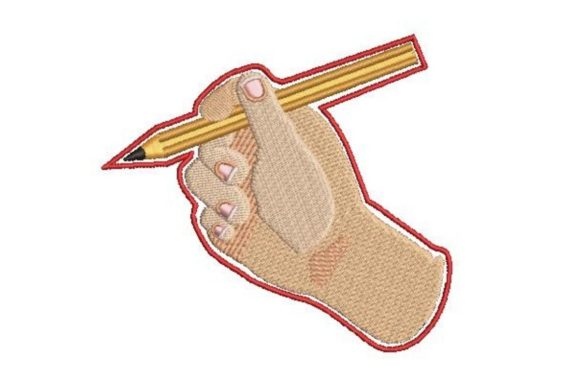
In the world of design, planning, and execution, having the right tools can make all the difference. One such tool that has stood the test of time is the humble Pencil in Hand. While it may seem basic, its versatility and adaptability make it an essential part of many creative workflows. Whether you're sketching out ideas, refining a concept, or documenting a process, the pencil remains a powerful instrument for turning abstract thoughts into tangible outcomes.
For professionals, creators, and entrepreneurs, the Pencil in Hand serves as more than just a drawing tool—it's a starting point. It helps visualize ideas before they are committed to digital formats, allowing for quick iterations and adjustments. This makes it especially valuable in fields like graphic design, fashion, architecture, and even business strategy.
Integrating Pencil in Hand into Your Workflow
The Pencil in Hand fits naturally into various stages of a project. Before diving into complex software or detailed planning, using a pencil can help clarify your vision. It’s often easier to sketch rough ideas on paper than to jump straight into digital tools, which can sometimes slow down the initial brainstorming phase.
During a project, the pencil can be used for note-taking, outlining steps, or mapping out processes. For example, a designer might use a pencil to draft a layout before moving to a vector graphics program. Similarly, a writer could use it to outline a story structure before drafting the actual content.
Even after a project is complete, the Pencil in Hand can play a role in reflection and improvement. Reviewing sketches or notes can reveal areas for refinement, helping to inform future work.
How Pencil in Hand Works with Other Tools
The Pencil in Hand doesn't exist in isolation. It often works alongside other tools and resources to enhance productivity and creativity. For instance, a designer might use a pencil to sketch a concept, then transfer it to a digital platform for further development. This hybrid approach allows for the flexibility of hand-drawn ideas combined with the precision of digital editing.
It also pairs well with organizational methods. Using a pencil to create to-do lists, timelines, or flowcharts can help keep projects on track. Many professionals use this technique to break down complex tasks into manageable steps, ensuring that nothing is overlooked.
Additionally, the Pencil in Hand can be used in conjunction with collaborative tools. Sketches can be scanned or photographed and shared with team members, enabling real-time feedback and discussion. This makes it a valuable asset in group settings where visual communication is key.
Practical Tips for Using Pencil in Hand Effectively
To get the most out of the Pencil in Hand, consider these practical tips:
- Keep it accessible: Always have a pencil and paper nearby, whether at your desk, in your bag, or on your phone (for digital alternatives).
- Use different types of pencils: A standard #2 pencil is great for general use, while a mechanical pencil offers precision. A charcoal pencil can add depth and texture to sketches.
- Experiment with styles: Don’t limit yourself to realistic drawings. Use the pencil to create mind maps, diagrams, or simple icons that represent your ideas visually.
- Combine with technology: Scan your sketches and import them into design software. This allows you to refine and expand on your initial ideas digitally.
By integrating the Pencil in Hand into your daily routine, you can improve your ability to think creatively and solve problems more effectively.
Enhancing Creativity and Clarity
One of the greatest benefits of using the Pencil in Hand is its ability to enhance creativity. The physical act of drawing engages different parts of the brain, encouraging free thinking and exploration. This is particularly useful when dealing with complex concepts or when trying to find new solutions to old problems.
Moreover, the Pencil in Hand promotes clarity. By sketching out your thoughts, you can identify gaps in your understanding and refine your ideas before committing to a final product. This is especially important in fields like business, where clear communication is crucial.
Long-Term Benefits of Pencil in Hand
While the Pencil in Hand may seem like a temporary tool, its long-term benefits are significant. Regular use can improve your visual thinking skills, making it easier to communicate ideas and concepts in both personal and professional settings.
It also encourages a habit of continuous improvement. By regularly sketching and refining your ideas, you develop a mindset that values iteration and growth. This can lead to better decision-making and more innovative outcomes over time.
Additionally, the Pencil in Hand is a sustainable choice. Unlike digital tools that require power and maintenance, a pencil is simple, durable, and environmentally friendly. It’s a low-cost option that can last for years, making it an excellent investment for anyone looking to streamline their workflow.
Using Pencil in Hand in Different Contexts
The Pencil in Hand is not limited to artistic or creative fields. It can be used in a wide range of contexts, including:
- Education: Teachers can use it to illustrate concepts, while students can use it to take notes and organize information.
- Business: Entrepreneurs and managers can use it to plan strategies, map out processes, or brainstorm ideas.
- Personal Development: Individuals can use it to set goals, track progress, or reflect on their experiences.
This versatility makes the Pencil in Hand a valuable tool for anyone looking to improve their productivity and creativity.
Conclusion: Embrace the Power of Pencil in Hand
The Pencil in Hand may be one of the simplest tools available, but its impact on the creative process is profound. By incorporating it into your workflow, you can enhance your ability to plan, execute, and refine your ideas. Whether you're a professional, a student, or a hobbyist, the pencil offers a flexible and effective way to bring your visions to life.
As you continue to explore new tools and methods, remember that sometimes the most powerful solutions are the ones that have been around the longest. The Pencil in Hand is more than just a writing instrument—it's a catalyst for creativity, clarity, and innovation.