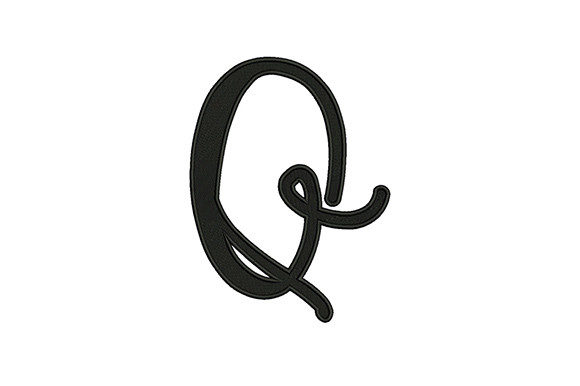
Alphabet Q: A Versatile Tool for Creative and Practical Workflows
Alphabet Q is more than just a set of letters; it's a flexible resource that can enhance a wide range of creative and practical tasks. Whether you're working on a personal project, a business initiative, or a learning activity, Alphabet Q offers a structured approach to organization, planning, and execution. Its adaptability makes it an essential part of many workflows, especially when precision, clarity, and consistency are required.
From embroidery designs to digital templates, Alphabet Q provides a foundation that supports both simplicity and complexity. It can be used as a starting point, a reference, or a tool for refinement, depending on the needs of the task at hand.
Understanding Alphabet Q in a Broader Process
Alphabet Q is often used in contexts where clear communication and visual representation are important. In creative fields such as design, marketing, and education, it serves as a bridge between abstract ideas and tangible outcomes. For example, in graphic design, Alphabet Q can help structure layouts, ensure alignment, and maintain visual harmony across different elements.
In business and project management, Alphabet Q can support processes like task breakdown, timeline creation, and resource allocation. By breaking down complex projects into manageable parts, it helps teams stay focused and organized. This makes it particularly useful for entrepreneurs, freelancers, and small business owners who need to juggle multiple responsibilities.
How Alphabet Q Fits Into Real Workflows
Alphabet Q can be integrated into workflows at various stages. Before starting a project, it can help define goals, outline steps, and identify key milestones. During execution, it can serve as a reference for maintaining consistency and quality. After completion, it can be used for evaluation, documentation, and future improvement.
For instance, in a content creation workflow, Alphabet Q might be used to plan blog posts, organize research, and structure writing. In a product development process, it could help map out features, user journeys, and testing phases. The key is to use it as a tool that supports, rather than dictates, the process.
Alphabet Q and Other Tools, Resources, and Methods
Alphabet Q works well with other tools and methods that emphasize structure and efficiency. It complements project management software, design platforms, and productivity apps by providing a logical framework for organizing information. When combined with techniques like time blocking, prioritization, and task delegation, it enhances overall effectiveness.
It also interacts with resources such as templates, checklists, and style guides. These materials can be aligned with Alphabet Q to create a cohesive system that streamlines work and reduces errors. For example, in a marketing campaign, Alphabet Q might be used alongside a content calendar and brand guidelines to ensure consistency across all channels.
Practical Implementation Tips
To get the most out of Alphabet Q, start by identifying how it fits into your specific workflow. Consider the types of tasks you perform regularly and think about where structure and clarity would add value. Then, experiment with different ways to apply it, whether through physical notes, digital tools, or visual aids.
One effective approach is to use Alphabet Q as a checklist or guide for each step of a project. For example, if you're designing a website, you might use it to break down the process into sections like research, wireframing, prototyping, and testing. This ensures that no stage is overlooked and that everything aligns with the overall goal.
Workflow Examples and Observations
Let’s look at a few examples of how Alphabet Q can be applied in real-world scenarios. In a freelance writing workflow, Alphabet Q might help organize research, outline articles, and track deadlines. By assigning each letter to a specific phase—such as "Q" for quality control—it becomes easier to maintain standards and meet client expectations.
In a home improvement project, Alphabet Q could be used to plan tasks, manage materials, and schedule work. For instance, "Q" might stand for "Quality Check," ensuring that each step meets the desired level of craftsmanship before moving on to the next. This approach reduces the risk of errors and improves overall results.
Factors to Consider for Effective Use
When integrating Alphabet Q into your routine, consider factors like preparation, compatibility, usability, and long-term maintenance. Preparation involves understanding how it will be used and what adjustments may be needed. Compatibility refers to how well it works with existing tools and processes. Usability focuses on ease of access and application, while long-term maintenance ensures that it remains relevant and effective over time.
Consistency is also key. Using Alphabet Q regularly helps build habits and reinforces its value. However, it should be adapted as needed to fit changing circumstances and evolving needs. This flexibility ensures that it remains a useful tool rather than a rigid constraint.
Alphabet Q in Creative and Personal Projects
Alphabet Q is particularly valuable in creative and personal projects where organization and inspiration go hand in hand. For hobbyists, it can help manage craft supplies, track progress, and maintain focus. For educators, it can support lesson planning, student engagement, and assessment strategies.
Its versatility extends to areas like journaling, goal setting, and skill development. By applying Alphabet Q to these activities, individuals can create a structured yet adaptable system that supports growth and achievement. Whether you're learning a new language, practicing a musical instrument, or developing a new habit, Alphabet Q can provide the framework needed to stay on track.
Conclusion: Embracing Alphabet Q for Better Outcomes
Alphabet Q is a powerful tool that can enhance productivity, creativity, and organization across a wide range of tasks and projects. By understanding its role in different workflows and applying it thoughtfully, users can improve efficiency, reduce errors, and achieve better results. Whether you're a professional, a creator, or a learner, incorporating Alphabet Q into your routine can lead to more structured, consistent, and successful outcomes.