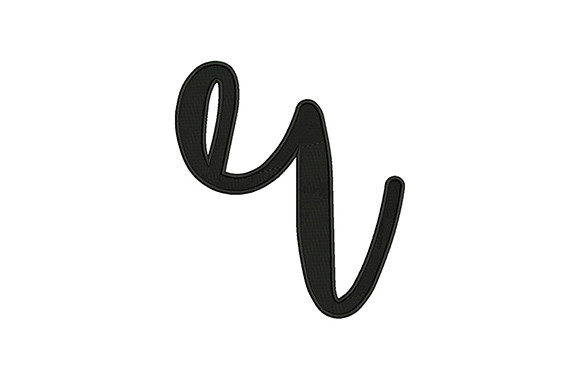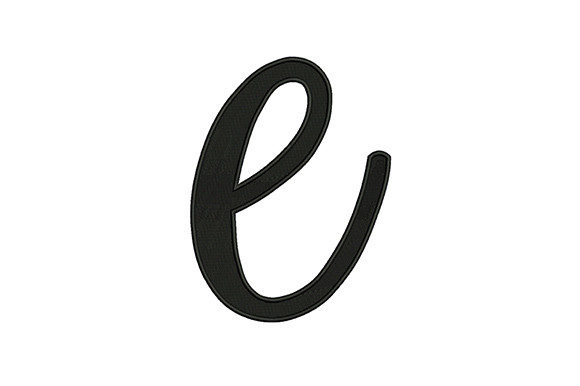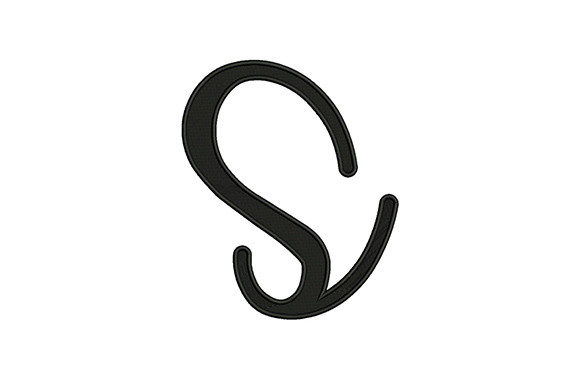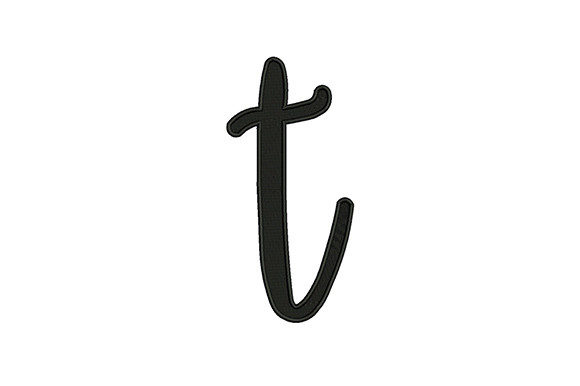
Lower Case Alphabet S and Design Type Machine Embroidery Design EMBROIDERY FILE FORMATS
When it comes to machine embroidery, the design of the letter "S" in lowercase is a common yet intricate element that requires attention to detail. Whether you're creating custom apparel, home décor, or promotional items, understanding how to work with lower case alphabet S designs and their associated file formats is essential. These designs often come in various embroidery file formats such as 10O, ART, CND, DSB, DST, DSZ, EXP, HUS, JEF, JEF, PCS, PEC, PES, SEW, TAP, VIP, VP3, VP4, and XXX. Each format has its own unique characteristics and uses, making it important to know which one suits your project best.
Understanding Lower Case Alphabet S in Embroidery
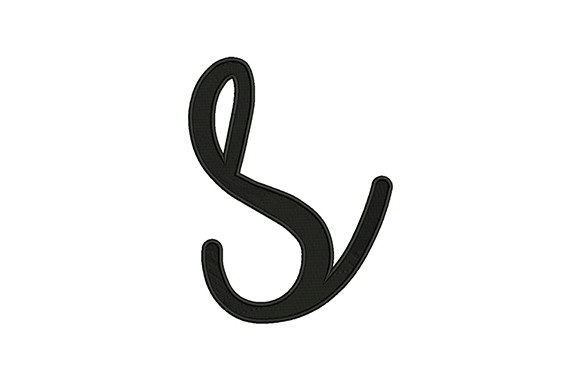
The lowercase "s" is a versatile character that can be used in many different contexts. In embroidery, it's often part of larger text blocks, logos, or decorative elements. Its fluid shape and curves require precise stitching to maintain clarity and aesthetics. When designing or selecting an embroidery file for a lowercase "s," consider factors like stitch density, thread color, and placement on the fabric. A well-executed lowercase "s" can enhance the overall look of a design, while a poorly executed one may appear jagged or distorted.
Designers and embroiderers often use specialized software to create or modify these letters. Programs like Wilcom, Hatch, and Embird allow users to adjust the size, spacing, and curvature of the lowercase "s" to fit specific needs. This level of customization ensures that the final product meets both functional and visual standards.
Common Embroidery File Formats for Lower Case Alphabet S Designs
Embroidery files come in a variety of formats, each designed for compatibility with different embroidery machines and software. Here are some of the most commonly used formats for lowercase "s" designs:
- 10O: This format is widely used in industrial embroidery machines. It offers high precision and is ideal for large-scale production.
- ART: Developed by Brother, this format is popular among hobbyists and small businesses. It supports multi-color designs and is easy to use with Brother machines.
- CND: Created by Janome, this format is known for its efficiency and compatibility with Janome embroidery machines. It provides smooth stitching and accurate color changes.
- DST: One of the most common formats, especially for commercial embroidery. It’s compatible with many machines and software programs.
- JEF: Another popular format, particularly for Baby Lock and other brands. It allows for detailed and complex designs.
- PES: Used by Pfaff and other European brands, this format is known for its reliability and quality.
- SEW: A simple format that works well with older embroidery machines. It's less common today but still used in some applications.
- XXX: This format is often used for digital embroidery files and is compatible with a wide range of machines and software.
Each of these formats has its own strengths and limitations. Choosing the right one depends on the type of machine you’re using, the complexity of the design, and the desired outcome.
Key Considerations for Using Lower Case Alphabet S Designs
When working with lower case alphabet S designs, there are several key considerations to keep in mind. First, ensure that the design is properly scaled and positioned for the intended fabric. A lowercase "s" that's too large or too small can disrupt the overall look of the embroidery. Additionally, check the stitch count and density to avoid issues like puckering or distortion.
Color is another important factor. The design may use a single color, as in the case of many basic lowercase "s" files, or multiple colors if it's part of a more complex text block. If the design includes color changes, make sure the file format supports them and that the machine is set up correctly to handle the transitions.
It's also crucial to test the design on a sample fabric before applying it to the final product. This helps identify any potential issues, such as misalignment or uneven stitches, and allows for adjustments before mass production.
Practical Applications of Lower Case Alphabet S in Embroidery
Lowercase "s" designs are used in a wide range of applications, from personalized clothing to corporate branding. For example, a custom t-shirt with a name like "Jessica" would include a lowercase "s" as part of the name. Similarly, a logo featuring a stylized "s" could be used on a company’s uniforms or promotional materials.
In the fashion industry, lowercase "s" designs are often incorporated into streetwear, athletic wear, and designer labels. They add a touch of sophistication and uniqueness to the garments. In the home décor sector, embroidered cushions, curtains, and table linens may feature elegant lowercase "s" designs to enhance their aesthetic appeal.
For businesses, using a lowercase "s" in embroidery can help reinforce brand identity. Whether it's a logo, tagline, or product label, the correct use of typography is essential for maintaining a professional image.
Choosing the Right File Format for Your Project
Selecting the appropriate embroidery file format is crucial for achieving the desired results. If you're using a commercial embroidery machine, formats like DST, JEF, or PES are typically the best choices. These formats offer high-quality stitching and are compatible with most modern machines.
If you're working with a home embroidery machine, formats like ART, CND, or JEF may be more suitable. These formats are user-friendly and support a wide range of features, including multi-color designs and detailed patterns.
For digital embroidery files that you plan to use across different platforms, formats like XXX or SEW may be more versatile. However, they may not always provide the same level of precision as more advanced formats.
Always check the specifications of your embroidery machine and software to determine which file formats are supported. This will help ensure that your lowercase "s" designs are executed smoothly and accurately.
Final Tips for Working with Lower Case Alphabet S Designs
To get the best results when working with lowercase "s" embroidery designs, follow these tips:
- Use high-quality thread: The right thread can make a big difference in the appearance and durability of the embroidery.
- Test on sample fabric: Always test your design on a small piece of fabric before applying it to the final product.
- Adjust stitch settings: Customize the stitch length and density to suit the fabric and design.
- Ensure proper hooping: Properly securing the fabric in the hoop prevents shifting and ensures even stitching.
- Follow manufacturer guidelines: Consult your embroidery machine’s manual for recommendations on file formats and settings.
By following these practices, you can achieve clean, professional-looking embroidery that highlights the beauty of the lowercase "s" in your designs.