Understanding Lowercase Alphabet T in Machine Embroidery Designs
In the world of machine embroidery, every letter and symbol plays a crucial role in creating intricate and personalized designs. One such character that often appears in embroidery files is the lowercase letter T. While it may seem simple at first glance, understanding how this letter is represented in various embroidery file formats can be essential for both beginners and professionals alike.
This article will explore the significance of the lowercase T in machine embroidery, its design considerations, and how it fits into the broader context of digital embroidery technology. We'll also look at the most common embroidery file formats and what they mean for your design work.
What Is the Lowercase Alphabet T in Embroidery?
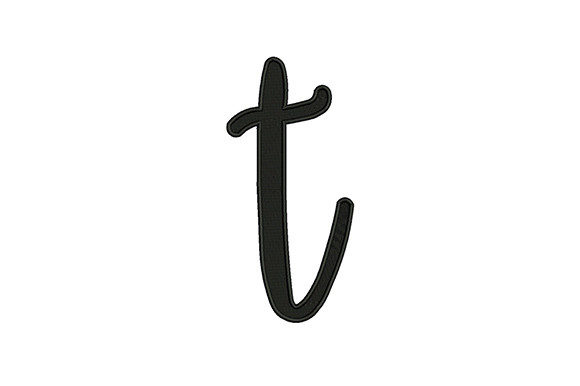
The lowercase T is a fundamental letter in many languages, including English. In embroidery, it is used to create text on garments, accessories, and other fabric items. The design of the T typically includes a vertical line with a horizontal bar across the top, making it easily recognizable.
When designing an embroidery file, the T must be carefully crafted to ensure that it looks clean and professional when stitched. This involves considering factors like stitch density, thread color, and the overall shape of the letter.
Design Considerations for the Lowercase T
Creating a high-quality T in embroidery requires attention to detail. Here are some key design considerations:
- Stitch Density: The number of stitches per inch affects the appearance of the letter. Too few stitches may result in a jagged or incomplete look, while too many can cause the design to become stiff or difficult to sew.
- Thread Color: Choosing the right thread color is important for visibility and aesthetics. For example, a black T on a white background will stand out clearly, while a light gray T on a dark fabric might be less visible.
- Letter Shape: The proportions of the T should be balanced to ensure it looks natural and readable. This includes the length of the vertical stroke and the width of the horizontal bar.
Embroidery File Formats and the Lowercase T
Machine embroidery designs are saved in specific file formats that contain instructions for the embroidery machine. These formats include 10O, ART, CND, DSB, DST, DSZ, EXP, HUS, JEF, PCS, PEC, PES, SEW, TAP, VIP, VP3, VP4, and XXX. Each format has its own characteristics and compatibility with different embroidery machines.
For the lowercase T, the design must be properly converted into one of these formats to ensure it can be read and executed by the machine. Some formats are more widely supported than others, so it's important to choose the right one based on your equipment.
Color Usage and Changes in Embroidery Designs
When working with the lowercase T, it's important to consider the number of colors used and any color changes required. In this case, the design uses 1 color and has 0 color changes. This means that the entire T is created using a single thread color without switching to another color during the stitching process.
This simplicity can be beneficial for several reasons. It reduces the complexity of the design, minimizes the risk of errors, and makes the embroidery process faster and more efficient. However, it also limits the visual impact of the design, as no additional colors are used to enhance the appearance of the T.
Practical Applications of the Lowercase T in Embroidery
The lowercase T is commonly used in a variety of embroidery projects, from simple monograms to complex logos and text-based designs. Here are some practical applications:
- Monogramming: The T is often used in personal monograms, such as initials on clothing or towels.
- Logos and Branding: Many businesses use the T in their logos, especially in typography that emphasizes clarity and professionalism.
- Text-Based Designs: The T can be part of larger text blocks, such as quotes, slogans, or instructional labels.
Common Misconceptions About Embroidery File Formats
There are several misconceptions about embroidery file formats that can lead to confusion or errors. One common misunderstanding is that all formats are interchangeable. In reality, each format is designed for specific machines and software, and converting between them can sometimes result in loss of quality or functionality.
Another misconception is that more complex formats always produce better results. While some formats offer advanced features, the quality of the design ultimately depends on how well it was created, not just the file type.
How to Choose the Right Embroidery File Format for Your Design
Selecting the right file format for your embroidery project is crucial. Here are some tips to help you make the best choice:
- Check Compatibility: Ensure the format you choose is supported by your embroidery machine or software.
- Consider Complexity: If your design is simple, a basic format like JEF or PES may be sufficient. More complex designs may require advanced formats like DST or ART.
- Look for Quality: Some formats preserve higher quality and more detailed information, which can be important for intricate designs like the lowercase T.
Conclusion: The Importance of Understanding the Lowercase T in Embroidery
The lowercase T may seem like a small element in the world of machine embroidery, but it plays a significant role in creating clear, professional, and visually appealing designs. Understanding how it is represented in different embroidery file formats, along with considerations like color usage and design complexity, can help you achieve better results in your embroidery projects.
Whether you're a beginner just starting out or an experienced embroiderer looking to refine your skills, taking the time to understand the nuances of letters like the T can make a big difference in the quality of your work. With the right knowledge and tools, you can bring your creative visions to life with precision and confidence.